AI Automation Is Taking Over! What You Need to Know Before It’s Too Late
Artificial intelligence and automation are rapidly reshaping how the world works, from businesses and industries to everyday personal tasks.
What once sounded like futuristic science fiction is now becoming a normal part of modern life. Companies across the globe are adopting AI systems to improve efficiency, reduce costs, and increase productivity at an unprecedented speed. See the full details only at AI Human Agents Business.
The Rise of AI Automation in the Modern World
AI automation refers to the use of intelligent systems that can perform tasks traditionally done by humans. These systems are now widely used in manufacturing, customer service, data analysis, and even creative industries. The rapid improvement in machine learning has made these tools more accurate and reliable than ever before.
Businesses are increasingly relying on automation to stay competitive in a fast-changing global market. Tasks that once required large teams can now be completed by software in a fraction of the time. This shift is helping companies scale faster while reducing operational expenses.
At the same time, governments and organizations are investing heavily in AI development. The goal is not only to improve productivity but also to integrate AI safely and responsibly into society. This growing support is accelerating the adoption of automation worldwide.
How AI Is Transforming Jobs and Industries
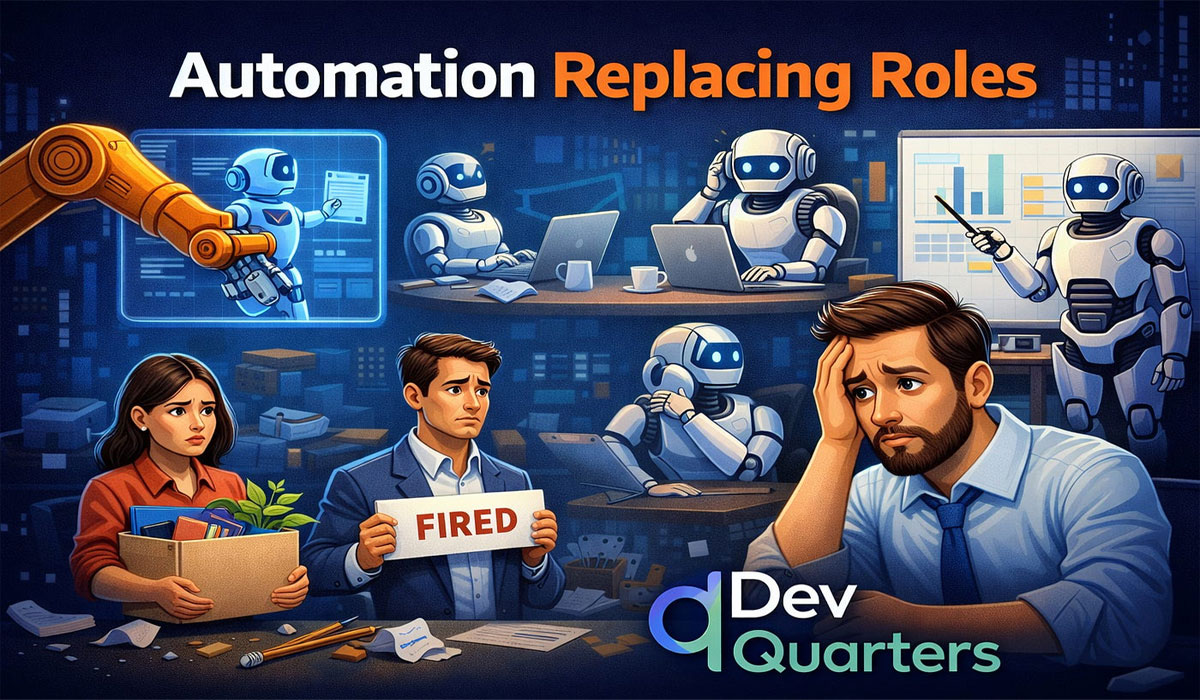
One of the biggest impacts of AI automation is its effect on the job market. Many repetitive and routine tasks are being replaced by machines that can work faster and without fatigue. This includes roles in data entry, basic accounting, and customer support.
However, AI is also creating new job opportunities in areas such as machine learning engineering, data science, and AI system maintenance. While some jobs are disappearing, new ones are emerging that require advanced technical skills and creativity. This shift is changing the definition of modern employment.
Industries such as healthcare, finance, transportation, and retail are also undergoing major transformations. For example, AI helps doctors diagnose diseases more accurately and assists financial institutions in detecting fraud more efficiently. These advancements are improving service quality and decision-making across sectors.
Also Read: Viral Alert! The Digital Marketing Tricks Top Influencers Don’t Want You to Know!
Benefits and Challenges of AI Automation

AI automation offers significant benefits, including increased productivity, reduced human error, and faster decision-making. Businesses can operate more efficiently while delivering better services to customers. This leads to improved economic growth and innovation across industries.
Despite these advantages, AI automation also brings challenges that cannot be ignored. One major concern is job displacement, as many workers fear being replaced by machines. This has raised important discussions about retraining and upskilling the global workforce.
Another challenge is ethical and responsible AI use. Issues such as data privacy, algorithm bias, and security risks need to be carefully managed. Without proper regulation, AI systems could create unintended social and economic consequences.
The Future of Work in an AI Driven World
The future of work is expected to be a collaboration between humans and machines rather than full replacement. AI will handle repetitive tasks while humans focus on creativity, strategy, and emotional intelligence. This partnership could lead to more meaningful and productive work environments.
Education systems are also expected to evolve in response to AI growth. Schools and universities may place greater emphasis on digital literacy, coding, and problem-solving skills. Preparing future generations for an AI-driven world is becoming a global priority.
Experts believe that adaptability will be the most important skill in the coming decades. Those who are willing to learn and adjust to new technologies will have the best chances of success. Continuous learning will become essential in maintaining career relevance.
Conclusion
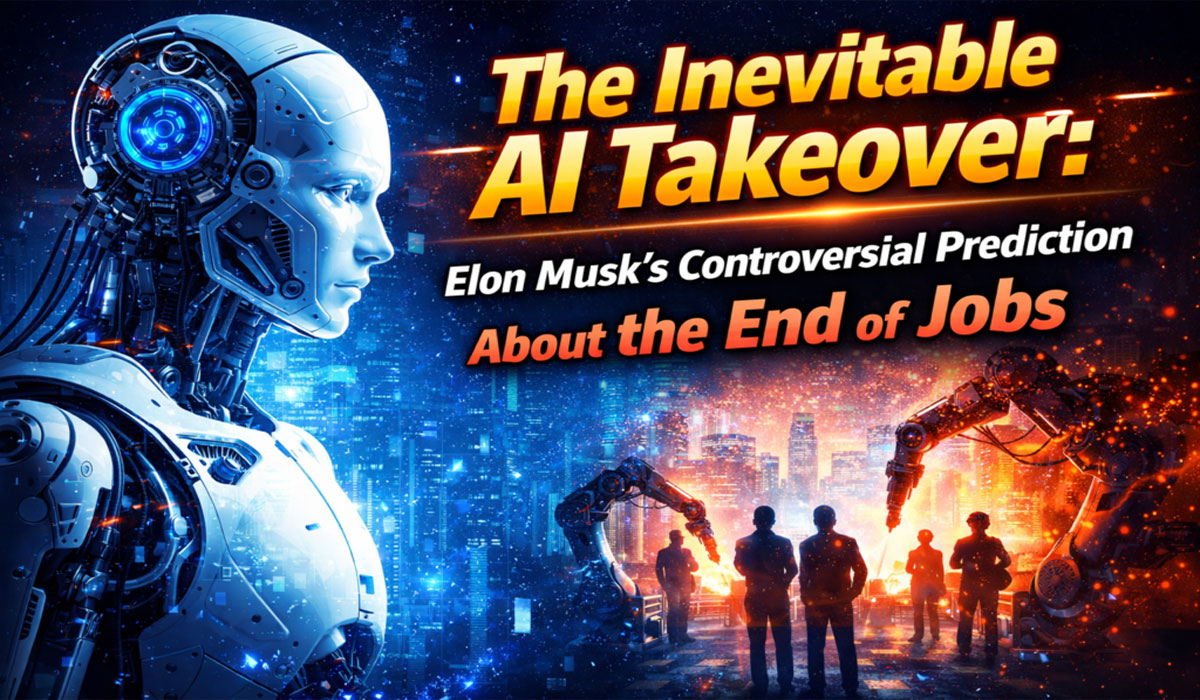
AI automation is not just a trend but a powerful force that is reshaping the global economy and society. While it brings incredible opportunities for efficiency and innovation, it also presents serious challenges that must be addressed responsibly.
The key to thriving in this new era lies in balance embracing technology while ensuring that humans remain at the center of decision-making. By adapting to change and developing new skills, individuals and businesses can turn the rise of AI automation into a long-term advantage rather than a threat.
Image Source:
- First Image from fenixgolf.co.uk
- Second Image from topgolf.co.id
About the Author