AI Automation Is Taking Over Jobs Here’s What You Must Know!
AI automation reshapes modern life by streamlining business processes, improving productivity, and reducing manual work.
AI automation changes how people work, think, and complete daily tasks. Businesses now rely on artificial intelligence to handle repetitive jobs, analyze data, and improve decision-making speed. This technology helps companies save time and reduce human error. At the same time, individuals gain more efficiency in personal and professional activities.
The following AI Human Agents Business will discuss about AI automation reshapes modern life by streamlining business processes.
Understanding AI Automation and Its Core Functions
AI automation combines artificial intelligence with automated systems to perform tasks without constant human input. These systems learn from data, recognize patterns, and make decisions based on programmed logic and machine learning models.
Businesses use AI automation to handle customer service, data entry, and predictive analysis. Chatbots respond to customer questions instantly, while algorithms sort large datasets in seconds. This process improves efficiency and reduces operational costs.
Machine learning plays a major role in automation systems. It allows AI tools to improve performance over time without manual reprogramming. As data increases, AI systems become smarter and more accurate in completing tasks.
AI Automation in Business Operations
Companies across industries adopt AI automation to improve productivity. Manufacturing plants use AI-powered machines to assemble products with precision and speed. This technology reduces production time and increases output quality.
In marketing, AI tools analyze consumer behavior and suggest targeted campaigns. Businesses use this data to create personalized advertisements that increase engagement and sales. This strategy helps companies reach the right audience at the right time.
Financial institutions also rely on AI automation. Banks use it to detect fraud, process transactions, and manage risk. These systems identify unusual patterns faster than human analysts, which strengthens financial security and trust.
Also Read: Powerful Online Business Strategies That Boost Sales Quickly
How AI Automation Impacts Employment and Skills
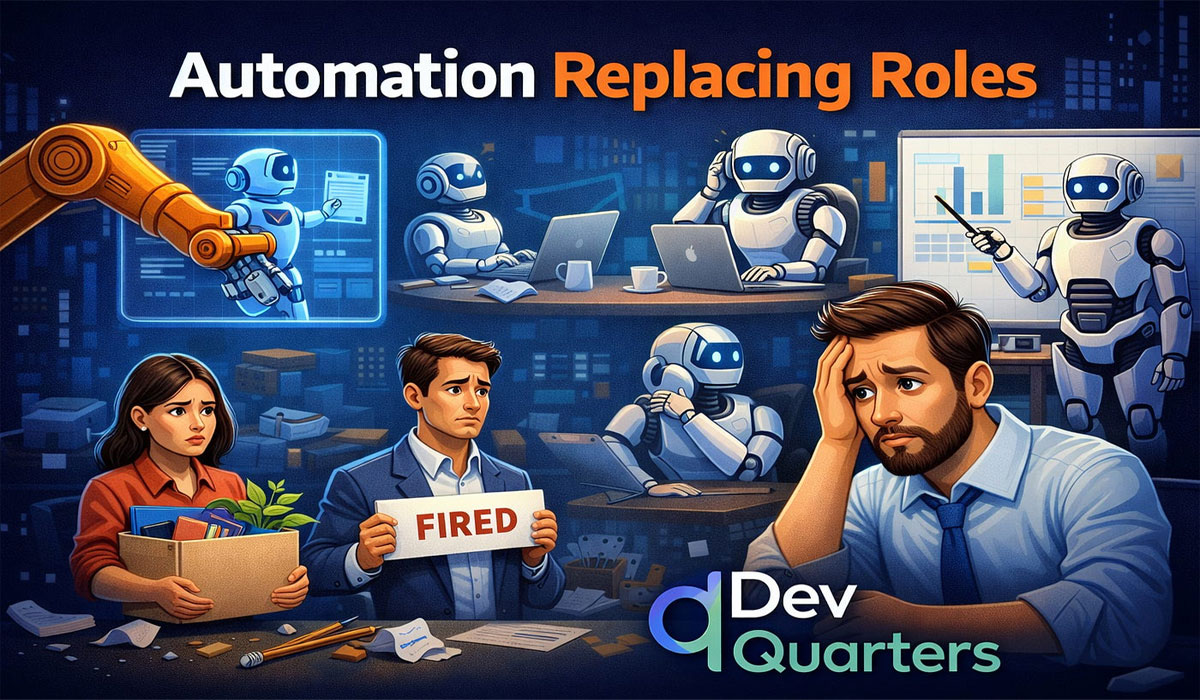
AI automation changes job structures across many industries. Some repetitive tasks disappear, while new roles emerge that require advanced technical skills. Workers must adapt to remain competitive in the evolving job market.
Employees who understand AI tools gain stronger career opportunities. They use automation systems to increase productivity and focus on strategic work instead of manual tasks. This shift improves overall job performance and efficiency.
Training and education play a critical role in this transformation. Workers who learn digital skills and AI basics prepare themselves for future demands. Companies also invest in upskilling programs to help employees adapt to new technologies.
AI Automation in Daily Life Applications
AI automation also improves daily life outside the workplace. Smart home devices adjust lighting, temperature, and security systems automatically. These tools create comfort and convenience for users.
Mobile applications use AI to recommend music, movies, and shopping options based on user behavior. This personalization improves user experience and saves time during decision-making.
Healthcare systems also benefit from AI automation. Medical tools assist doctors in diagnosing diseases and analyzing patient data. This technology improves accuracy and helps medical professionals deliver better care.
Challenges and Ethical Considerations of AI Automation
AI automation brings challenges that society must address carefully. Privacy concerns arise when systems collect and analyze large amounts of personal data. Users must understand how companies store and use their information.
Job displacement also becomes a concern. Some workers fear losing jobs due to automation. However, new industries and roles continue to emerge, creating different opportunities for skilled professionals.
Ethical AI development requires transparency and responsibility. Developers must design systems that avoid bias and ensure fair decision-making. Clear regulations help maintain trust and safety in AI-driven environments.
Image Information Source:
- Main Image from INTOO
- Second Image from Linkedln
About the Author